

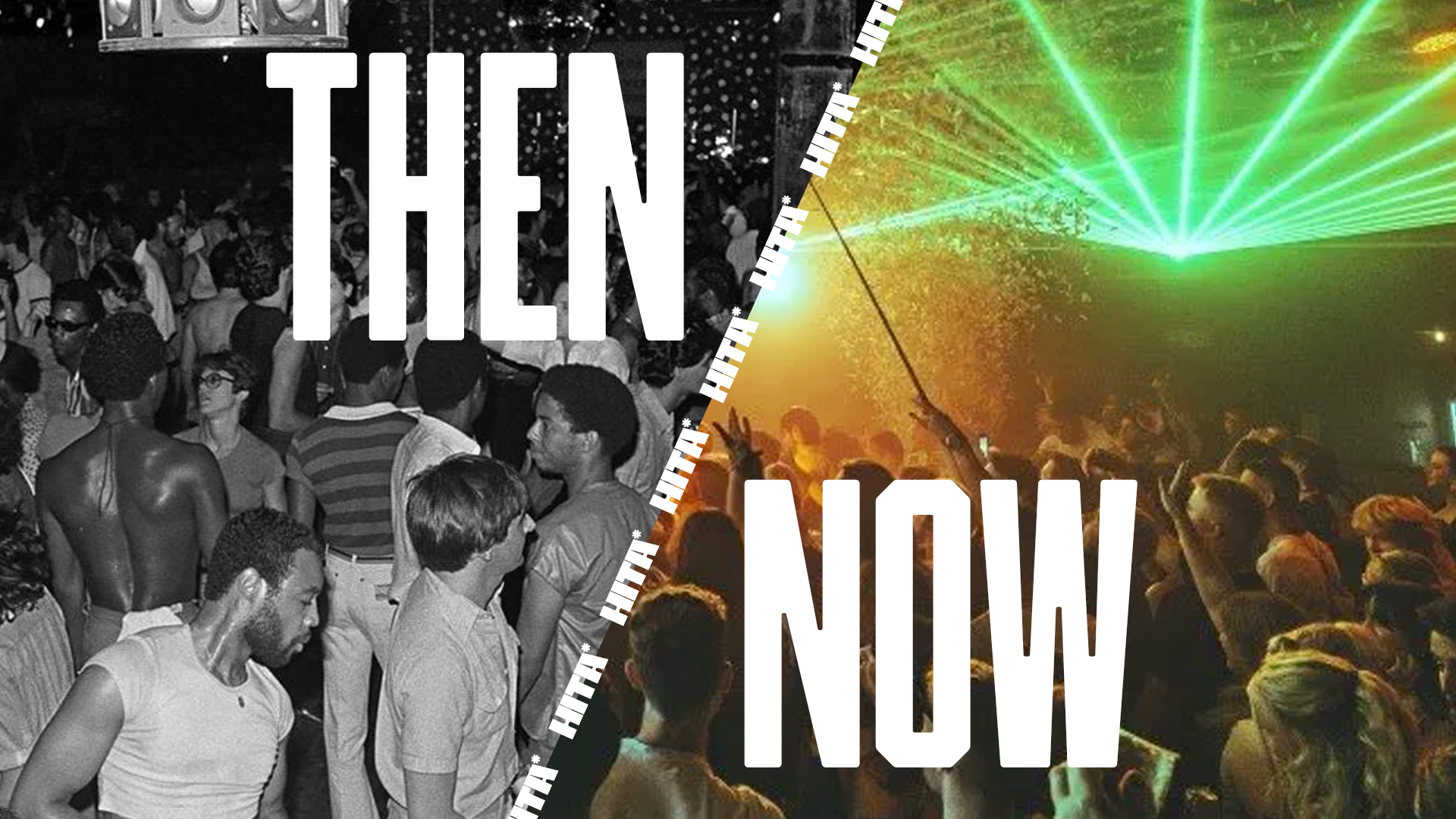
House music didn’t begin as a genre with a master plan, it began as a feeling. In the early 1980s, inside sweaty, joy-filled clubs in Chicago, DJs were stitching together disco, soul, funk, and electronic rhythms into something new. At the heart of it all was Frankie Knuckles, spinning extended, drum-heavy edits at a club called The Warehouse. The crowd didn’t need a name for the sound at first, they just knew it made them move. Eventually, people started calling it “house,” and the rest is dancefloor history.
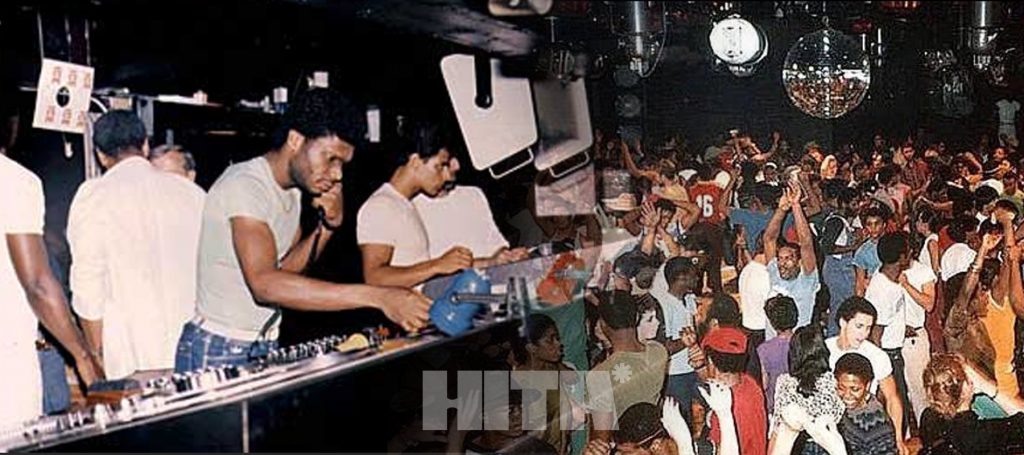
Early house music was raw, warm, and deeply human. It leaned on drum machines like the TR-808 and TR-909, simple basslines, gospel-tinged vocals, and repetition that felt hypnotic rather than boring. Tracks weren’t about perfection; they were about connecting people. House quickly became a safe space for white, black, latino, and gay communities alike; a place where freedom, identity, and joy were celebrated at full volume.
By the late ’80s, house packed its bags and crossed the Atlantic. In the UK, it collided with rave culture and exploded into new shapes. Acid house, powered by the squelchy, mischievous TB-303, turned warehouses and fields into all-night celebrations. From there, the sound kept splitting, mutating, and reinventing itself. What started as a single groove became a family tree.
As the ’90s rolled on, subgenres bloomed everywhere. Deep house slowed things down and leaned into mood and soul. Tech house tightened the screws, mixing house warmth with techno precision. Progressive house stretched tracks into long, emotional journeys, while funky and disco house tipped their hats back to the genre’s roots. Later came big-room house, minimal house, electro house — each reflecting the clubs, cities, and generations that embraced them.
Today, house music is everywhere and nowhere at once. It lives in underground basements, massive festivals, late-night headphones sessions, and sun-soaked beach clubs. It’s polished and lo-fi, playful and serious, nostalgic and futuristic; sometimes all in the same track. What ties it all together isn’t a specific tempo or drum pattern, but a shared intention: to move bodies, lift spirits, and bring people together.
Four decades on, house music is still doing what it’s always done best. It invites you in, asks you to let go, and reminds you that dancing can be an act of joy, resistance, and community all at once. And as long as there are people willing to press play and move, house will keep finding new ways to feel like home.
The future…

The future of house music feels less like a straight line forward and more like a joyful loop back to its roots, with better sound systems. Across cities worldwide, old nightclubs are reopening their doors, often lovingly restored rather than reinvented. These spaces carry history in their walls, and as new generations step inside them, the energy feels familiar and fresh at the same time. House has always thrived in rooms with character, and those rooms are making a comeback.
At the same time, brand-new clubs are emerging with a clear understanding of what made the originals special. Instead of focusing solely on spectacle, many are prioritizing intimacy, sound quality, and community. Smaller capacities, longer sets, and dance floors designed for movement; not phones (more about this in a future article), are helping house music reconnect with its core purpose. DJs aren’t just playing tracks; they’re telling stories again, letting grooves breathe and evolve over hours instead of minutes.
This blend of old and new is shaping a future where house music feels deeply human. Younger artists are digging into classic sounds (as we do at HITA*) while pushing technology in subtle ways, using modern tools to enhance warmth rather than replace it. The continued resurgence of vinyl, all-night parties, and local scenes shows that the culture around house is as important as the music itself.
If anything, house music’s future looks reassuringly familiar. It’s about people gathering in dark rooms, moving together, and forgetting the outside world for a while. Whether in a reopened institution or a freshly built club, the heart of house remains unchanged — a shared rhythm, a shared space, and the simple, powerful idea that dancing together still matters. This is what we Champion at HITA*.


