





HITA* WELCOME

A very warm welcome from Alex and myself. We created the HITA* network to bring positivity and togetherness back to music culture and a community for quality electronic music.
We are dedicated to bringing you (no compromise) quality content, from the latest news, reviews and interviews to the very best music including 24/7 live and recorded audio and video mixes.
We are committed to growing the best modern music community and a place we can all contribute, be treated equally regarded as a safe space online and in person at our future global music events.
Matt & Alex (co-founders)
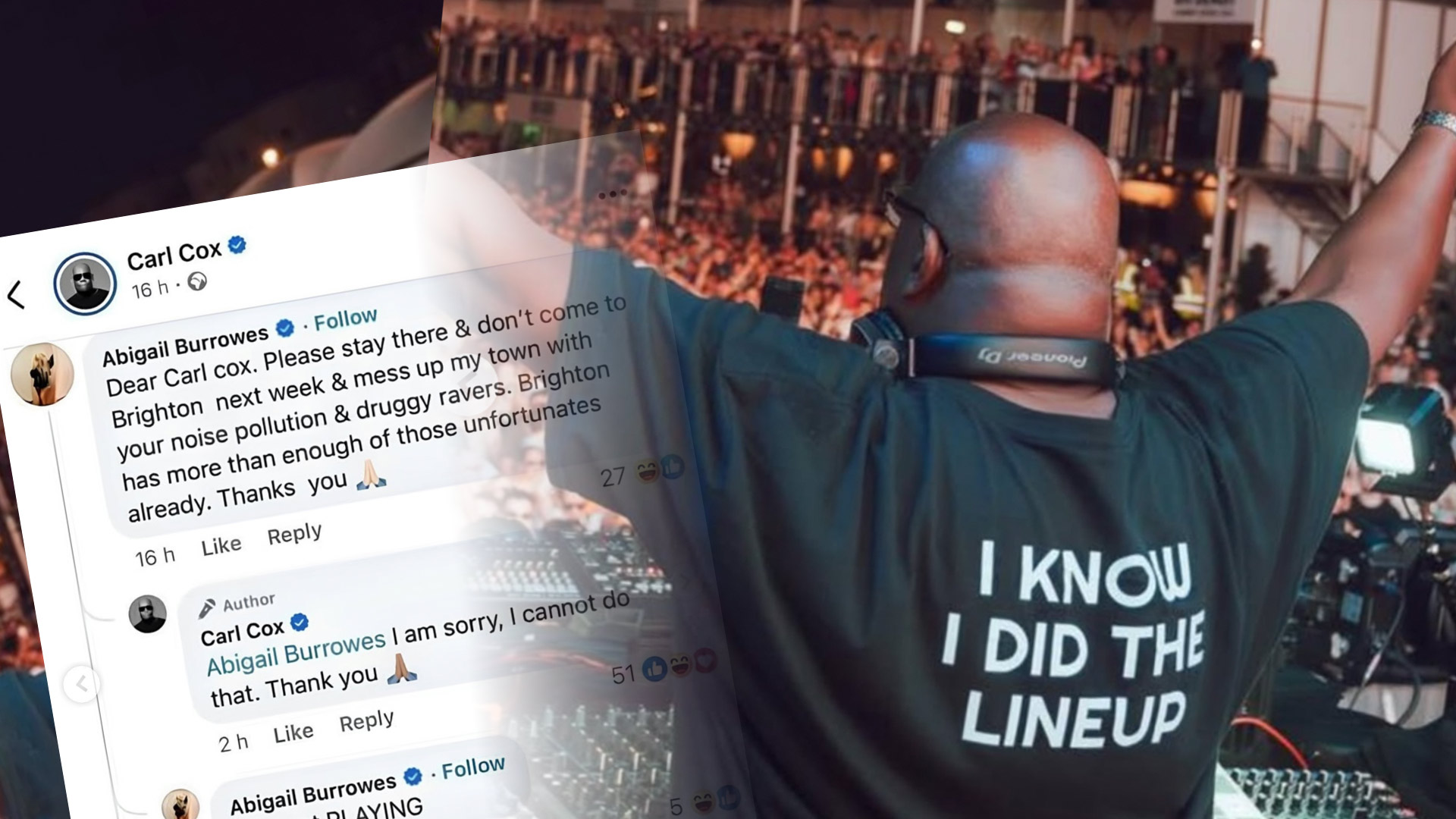
Latest NEWS
24May
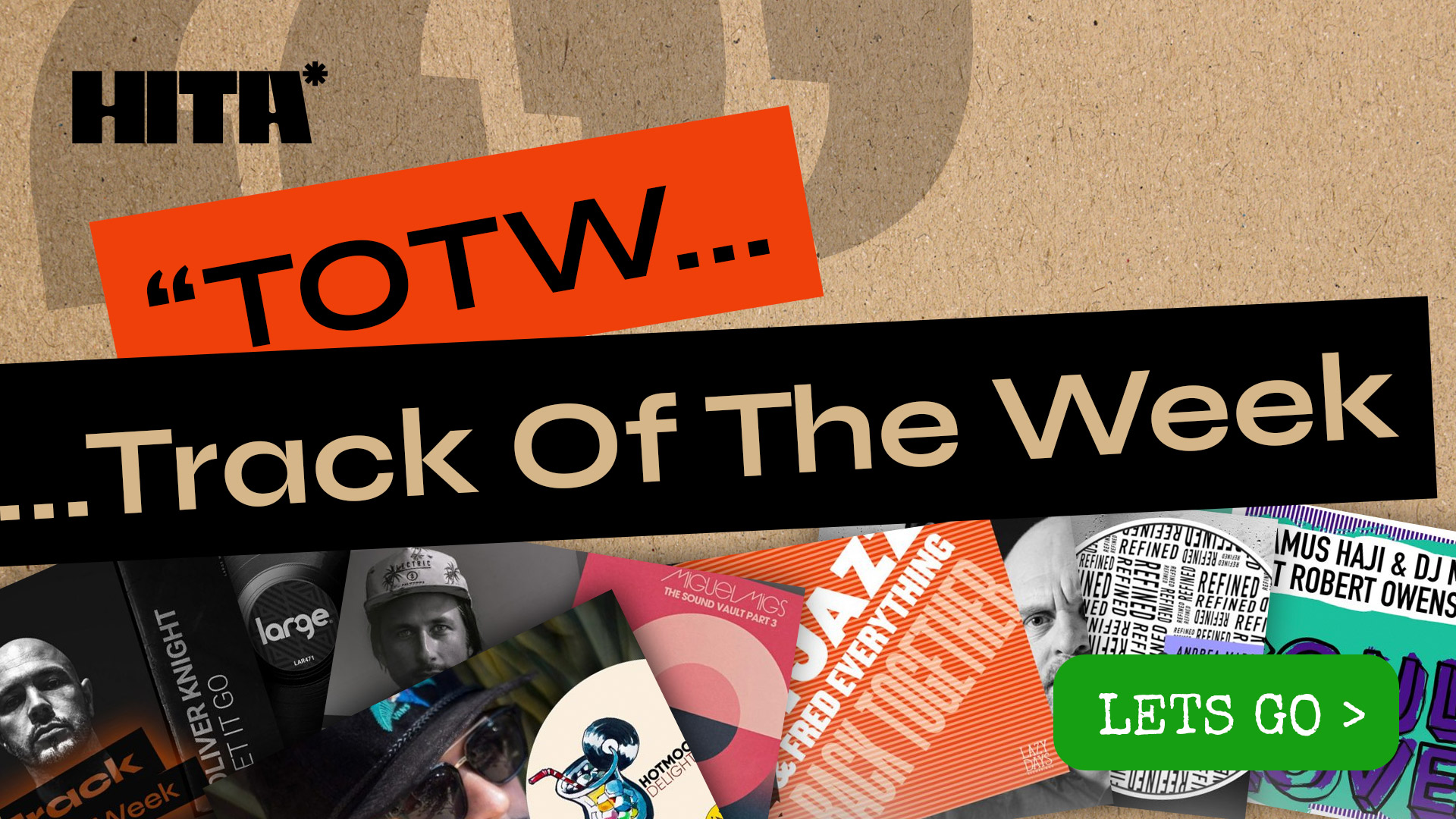
May TOTW – Retroflex – Dompe
German producer Dompe keeps things simple on Retroflex, and that’s exactly why it works... Read More →
09May
TOTW – Good Life – ALISHA, Inner City
Good Life (Extended Mix) feels like one of those tracks that understands why the original Good Life became timeless in the first place, but doesn’t.. Read More →
26Apr
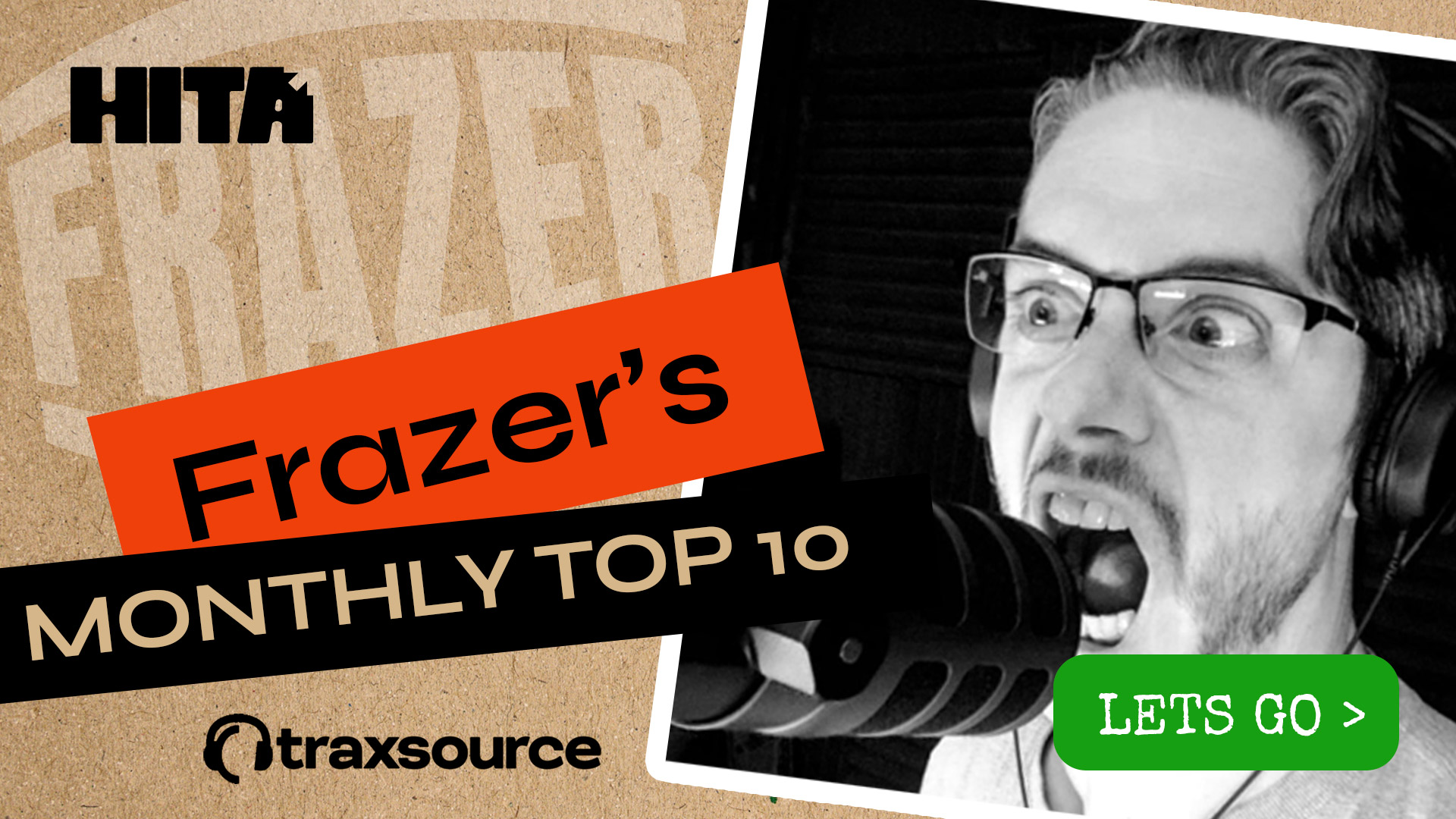
Wk 1 (Monthly) – Frazer’s Traxsource Top 10
Top 10 picks for this month begin with the late Ron Carroll & DJ Beloved presenting a lovely vocal house tune, with a strong four.. Read More →
Latest HITA DJ SHOWS
Latest NEWS




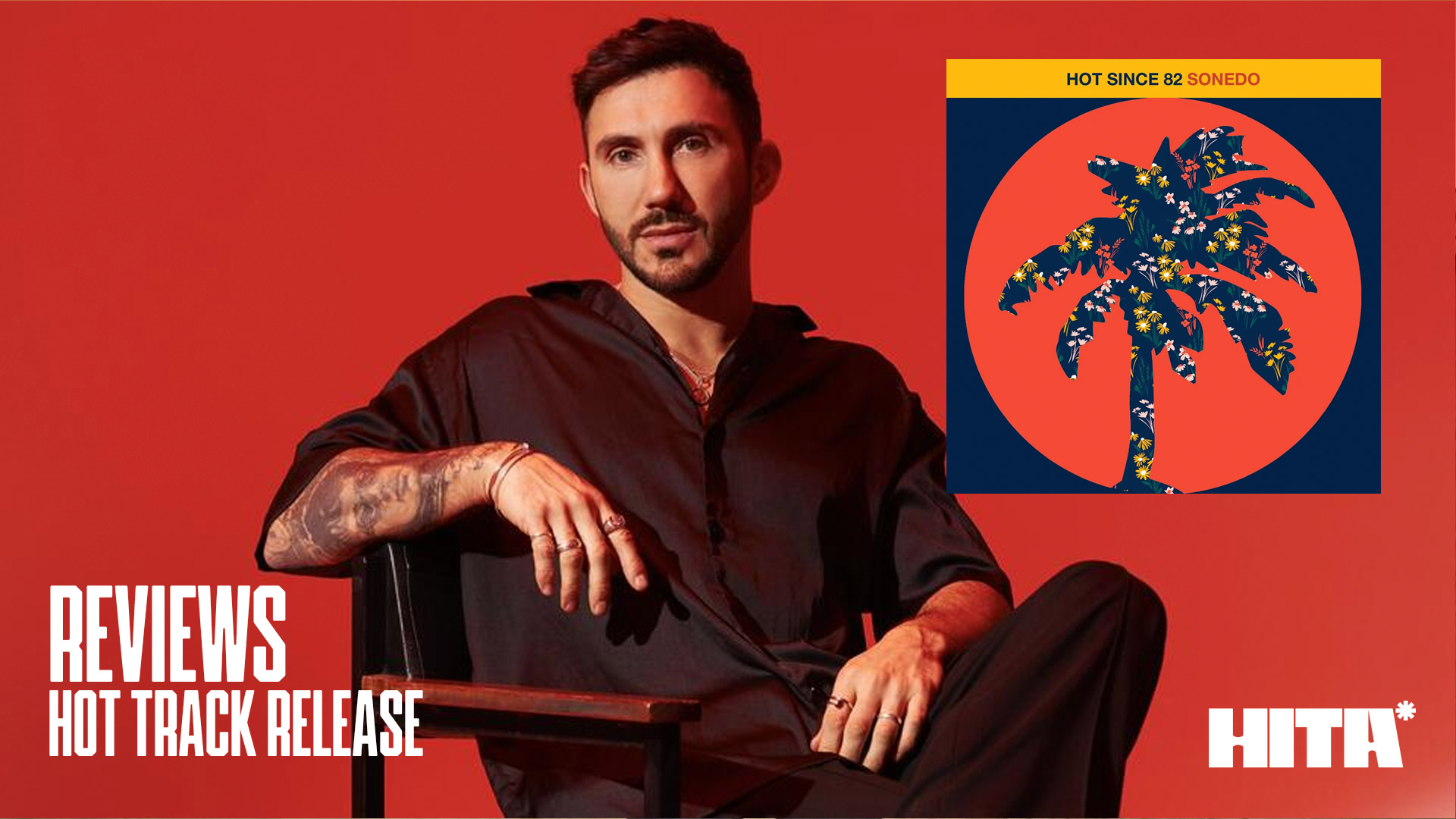
Latest REVIEWS


Upcoming EVENTS
HITA GYM
HITA FEATURED
FEATURED HITA DJ

“Brothers, Sisters
One Day we will be free
From Fighting, Violence, People Crying in the Streets
Were the angels from above
Falling down and spread their wings like doves
As we walk, hand and hand,
Sisters, brothers
We’ll make it to the promised land”
Joe Smooth – Promised Land
Joe talks of togetherness in this house classic. It captures the feeling and essence of house music as more than just music. It’s what we live and what we live for.
HITA is all about capturing those feelings whilst building a positive like-minded community of house heads both young and old. A resource you can rely on to cut through the crap and consistently deliver the high quality house music related content time and time again.
At its core HITA is a radio station with a difference. You cannot apply to be a DJ on HITA, you have to be invited and closely vetted to ensure we keep the very highest standards.
The output is varied and organic with everything from music only shows and podcasts to presented shows and video streams. Our DJs are not tied down to a regular stale time slot each week, so keep a close eye on the ever evolving schedule.
HITA HEADS
Become the smartest little house head in the room and amaze your mates with your boundless house music knowledge, you clever little stick!
-
House music originated in Chicago in the early 1980s.
-
The name “house” comes from The Warehouse, a Chicago club where the genre first took shape.
-
Frankie Knuckles is often called the “Godfather of House.”
-
House evolved from disco, with elements of funk, soul, and electronic music.
-
Early house tracks were played on reel-to-reel tape decks and edited manually.
-
The Roland TR-808 and TR-909 drum machines were essential in early house production.
-
House music was one of the first genres where DJs became producers.
-
The first house record is often considered to be “On and On” by Jesse Saunders (1984).
-
Chicago radio stations like WBMX played a crucial role in spreading house.
-
House music was heavily influenced by gay, Black, and Latino communities.
-
Deep house is characterized by smooth, soulful sounds and slower BPMs.
-
Tech house blends techno’s minimalism with house grooves.
-
Progressive house builds up gradually with atmospheric melodies.
-
Acid house features squelchy sounds from the Roland TB-303.
-
Electro house is more aggressive, often with big drops.
-
Funky house incorporates disco loops and funky basslines.
-
Tribal house includes African and Latin percussion.
-
Soulful house has gospel, R&B, and soul influences.
-
Minimal house focuses on stripped-down rhythms and subtle textures.
-
Ghetto house is raw, repetitive, and bass-heavy, originating in Chicago.
-
Frankie Knuckles helped define house music’s sound.
-
Larry Heard (Mr. Fingers) pioneered deep house.
-
Marshall Jefferson produced the anthem “Move Your Body.”
-
Ron Hardy played wild, raw sets at The Music Box in Chicago.
-
Lil Louis made “French Kiss,” a house classic.
-
Jesse Saunders released early house records on Trax Records.
-
Farley “Jackmaster” Funk was part of the Hot Mix 5 radio crew.
-
Kerri Chandler is a deep house legend.
-
Armand Van Helden brought house into the mainstream in the ‘90s.
-
David Morales and Todd Terry were NYC house pioneers.
-
House moved from Chicago to New York, then Detroit, London, and beyond.
-
UK rave culture adopted house in the late ‘80s.
-
The Ibiza club scene helped globalize house in the ’90s.
-
European producers began creating their own house styles in the early ’90s.
-
South African house became globally respected, especially with Afro house.
-
The French house scene, led by Daft Punk, rose in the late 1990s.
-
Germany’s Berlin scene blends house with techno.
-
House music is central to EDM festivals worldwide.
-
Some of the biggest house festivals include Defected Croatia and Movement Detroit.
-
House continues to be one of the most streamed genres globally.
-
The Roland TR-909 is one of the most iconic house drum machines.
-
Sampling is central to house music production.
-
Early producers often used cassette decks and turntables.
-
Software like Ableton Live, FL Studio, and Logic Pro are now widely used.
-
The TB-303 gave acid house its signature “squelch” sound.
-
The Akai MPC series was used for sampling and beat-making.
-
The use of vocals and vocal chops is a key feature in many subgenres.
-
Sidechain compression (pumping effect) is common in house mixing.
-
Looping and layering are major production techniques.
-
Many house tracks are made in 4/4 time with a steady kick drum.
-
House music promotes inclusivity and community.
-
The mantra “house is a feeling” reflects its emotional depth.
-
House fashion in the early days featured colorful, androgynous styles.
-
It’s often played in underground clubs, warehouses, and beach festivals.
-
House music was critical to the formation of rave culture.
-
Ball culture and voguing were closely linked to house.
-
Many house events emphasize freedom of expression and nonjudgment.
-
House has influenced genres like UK garage, dubstep, and bassline.
-
The genre is linked to political activism and LGBTQ+ rights.
-
“Jackin’” refers both to a dance style and early house sounds.
-
“Your Love” – Frankie Knuckles & Jamie Principle.
-
“Can You Feel It” – Mr. Fingers.
-
“Move Your Body” – Marshall Jefferson.
-
“Promised Land” – Joe Smooth.
-
“Music Sounds Better with You” – Stardust.
-
“Plastic Dreams” – Jaydee.
-
“I Feel Love” – Donna Summer (precursor to house).
-
“Show Me Love” – Robin S.
-
“Push the Feeling On” – Nightcrawlers.
-
“Finally” – Kings of Tomorrow.
-
Trax Records was the first major house label.
-
Strictly Rhythm became the home of New York house.
-
Defected Records has been a key house label since 1999.
-
Ministry of Sound helped commercialize house in the UK.
-
Radio 1’s Essential Mix has featured many legendary house sets.
-
DJs like Pete Tong helped bring house to the mainstream.
-
Online platforms like Beatport and SoundCloud are key for house distribution.
-
Resident Advisor is a major site for house/techno culture.
-
Many house DJs have YouTube series or livestreams.
-
Boiler Room showcases live house sets globally.
-
Purple Disco Machine is known for modern disco-house.
-
Disclosure brought house to a new generation.
-
Gorgon City blend house and pop seamlessly.
-
Black Coffee elevated Afro-house to global prominence.
-
Honey Dijon represents the intersection of house, fashion, and trans rights.
-
Fisher made massive hits like “Losing It.”
-
Peggy Gou merges house with global sounds.
-
Dom Dolla, Chris Lake, and John Summit are big names in tech house.
-
Many hip-hop and pop artists incorporate house now (e.g., Beyoncé’s Renaissance).
-
House is a major influence in TikTok dance culture.
-
House music often uses a tempo of 120–130 BPM.
-
“Jack” was originally a term used to describe a dance move in Chicago.
-
The term “acid” in acid house came from psychedelic influence, not drugs directly.
-
Vinyl remains a revered format in the house scene.
-
House music has been used in fitness and dance programs worldwide.
-
Some house DJs play 6+ hour marathon sets.
-
There are AI-generated house tracks emerging now.
-
“Garage” in the UK started as an offshoot of US house.
-
House music often lacks traditional song structure (no verse/chorus).
-
House continues to thrive as a DIY, community-driven genre, 40+ years later.
-
House music originated in Chicago in the early 1980s.
-
The name “house” comes from The Warehouse, a Chicago club where the genre first took shape.
-
Frankie Knuckles is often called the “Godfather of House.”
-
House evolved from disco, with elements of funk, soul, and electronic music.
-
Early house tracks were played on reel-to-reel tape decks and edited manually.
-
The Roland TR-808 and TR-909 drum machines were essential in early house production.
-
House music was one of the first genres where DJs became producers.
-
The first house record is often considered to be “On and On” by Jesse Saunders (1984).
-
Chicago radio stations like WBMX played a crucial role in spreading house.
-
House music was heavily influenced by gay, Black, and Latino communities.
-
Deep house is characterized by smooth, soulful sounds and slower BPMs.
-
Tech house blends techno’s minimalism with house grooves.
-
Progressive house builds up gradually with atmospheric melodies.
-
Acid house features squelchy sounds from the Roland TB-303.
-
Electro house is more aggressive, often with big drops.
-
Funky house incorporates disco loops and funky basslines.
-
Tribal house includes African and Latin percussion.
-
Soulful house has gospel, R&B, and soul influences.
-
Minimal house focuses on stripped-down rhythms and subtle textures.
-
Ghetto house is raw, repetitive, and bass-heavy, originating in Chicago.
-
Frankie Knuckles helped define house music’s sound.
-
Larry Heard (Mr. Fingers) pioneered deep house.
-
Marshall Jefferson produced the anthem “Move Your Body.”
-
Ron Hardy played wild, raw sets at The Music Box in Chicago.
-
Lil Louis made “French Kiss,” a house classic.
-
Jesse Saunders released early house records on Trax Records.
-
Farley “Jackmaster” Funk was part of the Hot Mix 5 radio crew.
-
Kerri Chandler is a deep house legend.
-
Armand Van Helden brought house into the mainstream in the ‘90s.
-
David Morales and Todd Terry were NYC house pioneers.
-
House moved from Chicago to New York, then Detroit, London, and beyond.
-
UK rave culture adopted house in the late ‘80s.
-
The Ibiza club scene helped globalize house in the ’90s.
-
European producers began creating their own house styles in the early ’90s.
-
South African house became globally respected, especially with Afro house.
-
The French house scene, led by Daft Punk, rose in the late 1990s.
-
Germany’s Berlin scene blends house with techno.
-
House music is central to EDM festivals worldwide.
-
Some of the biggest house festivals include Defected Croatia and Movement Detroit.
-
House continues to be one of the most streamed genres globally.
-
The Roland TR-909 is one of the most iconic house drum machines.
-
Sampling is central to house music production.
-
Early producers often used cassette decks and turntables.
-
Software like Ableton Live, FL Studio, and Logic Pro are now widely used.
-
The TB-303 gave acid house its signature “squelch” sound.
-
The Akai MPC series was used for sampling and beat-making.
-
The use of vocals and vocal chops is a key feature in many subgenres.
-
Sidechain compression (pumping effect) is common in house mixing.
-
Looping and layering are major production techniques.
-
Many house tracks are made in 4/4 time with a steady kick drum.
-
House music promotes inclusivity and community.
-
The mantra “house is a feeling” reflects its emotional depth.
-
House fashion in the early days featured colorful, androgynous styles.
-
It’s often played in underground clubs, warehouses, and beach festivals.
-
House music was critical to the formation of rave culture.
-
Ball culture and voguing were closely linked to house.
-
Many house events emphasize freedom of expression and nonjudgment.
-
House has influenced genres like UK garage, dubstep, and bassline.
-
The genre is linked to political activism and LGBTQ+ rights.
-
“Jackin’” refers both to a dance style and early house sounds.
-
“Your Love” – Frankie Knuckles & Jamie Principle.
-
“Can You Feel It” – Mr. Fingers.
-
“Move Your Body” – Marshall Jefferson.
-
“Promised Land” – Joe Smooth.
-
“Music Sounds Better with You” – Stardust.
-
“Plastic Dreams” – Jaydee.
-
“I Feel Love” – Donna Summer (precursor to house).
-
“Show Me Love” – Robin S.
-
“Push the Feeling On” – Nightcrawlers.
-
“Finally” – Kings of Tomorrow.
-
Trax Records was the first major house label.
-
Strictly Rhythm became the home of New York house.
-
Defected Records has been a key house label since 1999.
-
Ministry of Sound helped commercialize house in the UK.
-
Radio 1’s Essential Mix has featured many legendary house sets.
-
DJs like Pete Tong helped bring house to the mainstream.
-
Online platforms like Beatport and SoundCloud are key for house distribution.
-
Resident Advisor is a major site for house/techno culture.
-
Many house DJs have YouTube series or livestreams.
-
Boiler Room showcases live house sets globally.
-
Purple Disco Machine is known for modern disco-house.
-
Disclosure brought house to a new generation.
-
Gorgon City blend house and pop seamlessly.
-
Black Coffee elevated Afro-house to global prominence.
-
Honey Dijon represents the intersection of house, fashion, and trans rights.
-
Fisher made massive hits like “Losing It.”
-
Peggy Gou merges house with global sounds.
-
Dom Dolla, Chris Lake, and John Summit are big names in tech house.
-
Many hip-hop and pop artists incorporate house now (e.g., Beyoncé’s Renaissance).
-
House is a major influence in TikTok dance culture.
-
House music often uses a tempo of 120–130 BPM.
-
“Jack” was originally a term used to describe a dance move in Chicago.
-
The term “acid” in acid house came from psychedelic influence, not drugs directly.
-
Vinyl remains a revered format in the house scene.
-
House music has been used in fitness and dance programs worldwide.
-
Some house DJs play 6+ hour marathon sets.
-
There are AI-generated house tracks emerging now.
-
“Garage” in the UK started as an offshoot of US house.
-
House music often lacks traditional song structure (no verse/chorus).
-
House continues to thrive as a DIY, community-driven genre, 40+ years later.


WE WORK WITH