

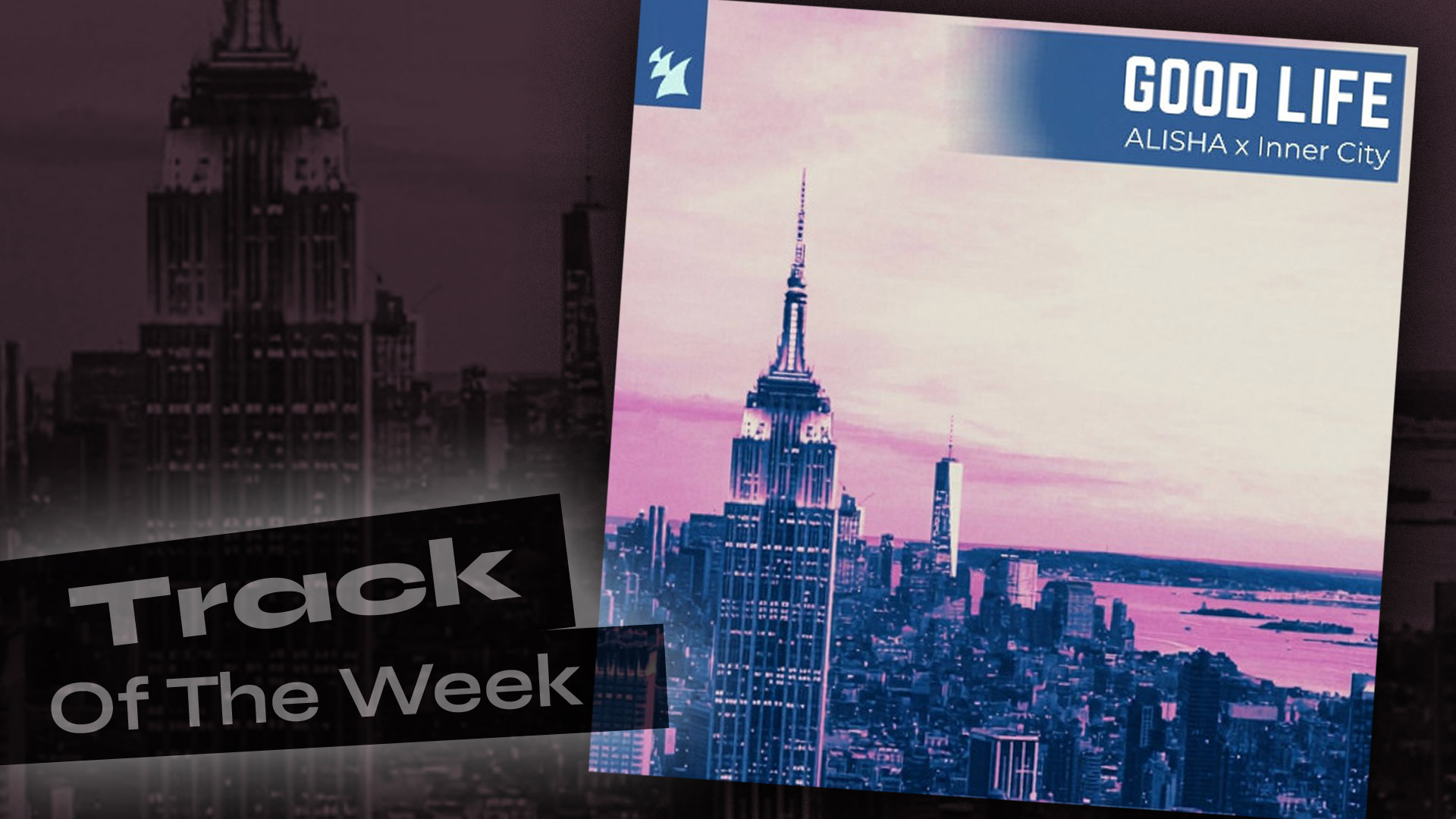
Good Life (Extended Mix) feels like one of those tracks that understands why the original Good Life became timeless in the first place, but doesn’t just lean on nostalgia. Instead of turning it into a cheesy reboot, ALISHA and the Inner City crew give it a cleaner, late-night deep tech groove that actually works in modern sets. The bassline rolls steadily, the drums stay tight and understated, and the whole thing has that “2AM in a packed basement club” energy without trying too hard.
What really sells it is the balance. The iconic vocal still gives you that rush of familiarity, but the production strips away a lot of the old-school gloss and replaces it with something moodier and more hypnotic. At 132 BPM, the extended mix has enough room to breathe, so DJs can really let the groove settle in before the vocal hooks land.
ALISHA’s touch on this version keeps it from sounding like a museum piece. There’s a slickness to the percussion and low-end that feels current, but it never loses the uplifting spirit that made “Good Life” such a rave anthem in the first place. You can hear why Armada keeps revisiting this track through different remixes and reinterpretations over the years — the song still has legs.
It’s probably not the most explosive version of “Good Life” ever made, and if you’re after a huge hands-in-the-air festival drop, this isn’t really that. But if you like warm, rolling house music with a bit of soul and patience to it, this version hits the sweet spot. It feels respectful to the original without sounding trapped by it.
About the Armada Label
Armada Music is one of the most respected names in electronic dance music, especially in the trance and progressive house world. Founded in 2003 by Armin van Buuren, Maykel Piron, and David Lewis, the Dutch label quickly grew from a trance-focused imprint into one of the biggest independent dance music labels globally. The name “Armada” actually comes from combining the first two letters of the founders’ names: AR-min, MA-ykel, and DA-vid.
What makes Armada stand out is its balance between underground credibility and mainstream reach. The label has released music from major artists across trance, house, techno, and melodic electronic music while still giving space to newer producers and experimental sounds. Over the years, Armada became closely tied to the global rise of trance culture through shows and compilations like “A State of Trance,” helping shape the sound of modern electronic music for an entire generation of fans.
Today, Armada Music operates from offices in Amsterdam, London, and New York, with a catalog that includes tens of thousands of releases and billions of streams worldwide. Even after more than two decades, the label still feels relevant because it continues evolving instead of staying stuck in one era of dance music.


